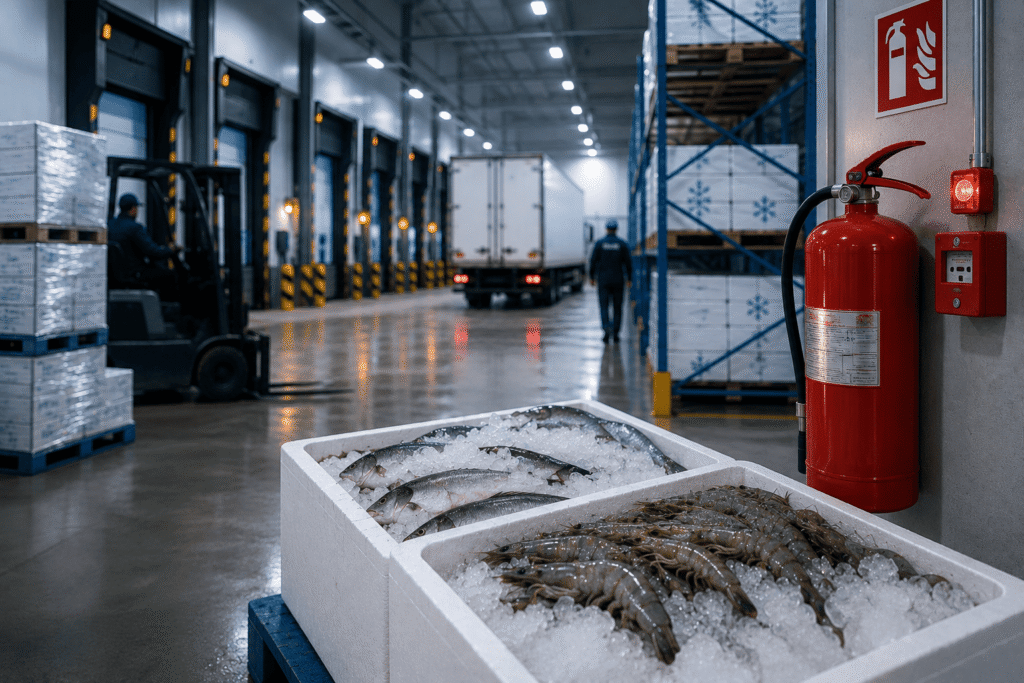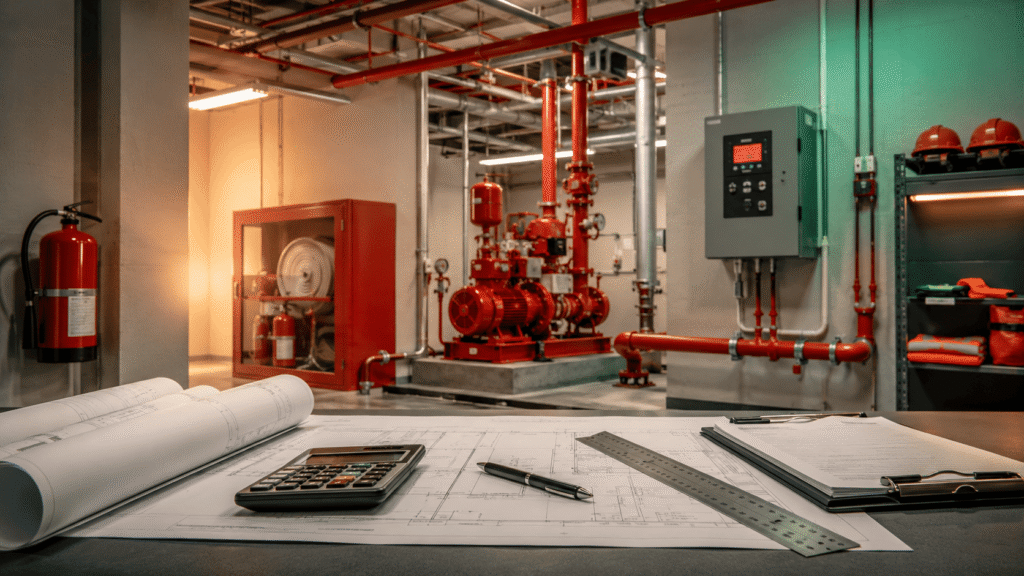
Fire systems cost in Saudi Arabia in 2026 cannot be answered with one fixed number that fits every project. The cost of a fire alarm system, sprinkler network, fire pump room, FM200 system, or annual maintenance contract depends on the building type, site area, risk level, number of devices, selected brands, required approvals, installation method, testing, documentation, and maintenance needs after handover. This guide helps owners, contractors, and project managers understand the main factors that affect fire system pricing before requesting a quotation.
This article does not provide a final price list, because every project needs its own technical review. The goal is to explain how fire system cost is calculated, what changes the price, and what information should be prepared before asking for a clear quotation.
- 01 - Why fire systems cost differs from one project to another
- 02 - Main factors that affect fire system pricing
- 03 - Fire alarm system cost
- 04 - Sprinkler system and fire fighting network cost
- 05 - Fire pump room cost
- 06 - FM200, foam, and special suppression system cost
- 07 - Fire extinguishers, hose cabinets, and safety equipment cost
- 08 - CCTV and supporting low current system cost
- 09 - Annual fire system maintenance cost
- 10 - Supply price vs supply and installation price
- 11 - Why the lowest price may cost more later
- 12 - Information needed for an accurate quotation
- 13 - How Azeidk supports fire system pricing and execution
- 14 - Checklist before comparing fire system quotations
Why fire systems cost differs from one project to another
Many clients ask about fire systems cost as if it were the price of a ready-made product. In reality, a fire system is not one item that can be priced the same way for every building. A small office is not the same as a warehouse, a restaurant is not the same as a factory, and a residential tower is not the same as an administrative building or logistics facility.
The final cost changes because fire systems include study, design, equipment, wiring, piping, installation, testing, commissioning, documentation, and future maintenance. Each one of these stages can affect the final quotation.
Main reasons why fire system cost changes:
- Building type and site activity
- Total area and number of floors
- Risk level based on materials, storage, or operation type
- Required systems: fire alarm, sprinklers, pumps, FM200, foam, or special systems
- Selected brands and technical approvals
- Site condition: new project or existing operating facility
- Consultant and Civil Defense requirements
- Scope of work: supply only, or supply, installation, testing, and maintenance
Main factors that affect fire system pricing
Before comparing quotations, it is important to understand what controls the price. Sometimes one offer is higher because it includes more work, better documentation, approved products, proper testing, or maintenance after handover. In other cases, the lower offer may be missing important items that only appear later during installation or inspection.
Project type
The cost of fire systems for a small office is different from a factory, warehouse, hotel, mall, or restaurant. The project type affects risk level, number of devices, system type, and operation requirements.
Area and number of floors
Larger buildings and multi-floor projects usually need more devices, longer cable or pipe routes, clearer zoning, and more testing and maintenance points.
Risk level inside the site
A simple office is not the same as a site storing cartons, plastics, chemicals, packaging materials, or combustible goods. Higher-risk spaces usually require a more careful system review.
Brands and approvals
Selected brands and required technical approvals affect the cost. Some projects require higher-specification products or specific certifications, especially for fire alarm panels, pumps, valves, and special suppression systems.
Site condition
A new construction project is usually easier to plan and execute than an existing operating facility. Existing sites may require cutting, rerouting, night work, or installation without stopping daily operations.
Fire alarm system cost
Fire alarm system cost depends on the system type, number of devices, building layout, and connection requirements. A conventional fire alarm system differs from an addressable system in panel type, wiring method, programming, alarm location accuracy, and suitable project size.
Fire alarm system cost may include:
- Fire alarm control panel
- Smoke and heat detectors
- Manual call points
- Sounders, strobes, and notification devices
- Modules and interfaces with other systems
- Cables, conduits, and installation accessories
- Programming, testing, and commissioning
- Labels, drawings, and reports
To choose the right system before pricing, read: Fire Alarm Systems in Saudi Arabia: Conventional vs Addressable.
What increases fire alarm system cost?
- Higher number of devices
- Large areas or multi-floor buildings
- Need for an addressable system instead of conventional
- Interfaces with elevators, HVAC, or fire suppression systems
- Higher brand or approval requirements
- Installation inside an existing site rather than a new project
Sprinkler system and fire fighting network cost
Sprinkler system and fire fighting network cost depends on site area, building activity, ceiling height, number of sprinklers, pipe lengths, valve types, required water pressure, and whether the project needs a fire pump room or tank.
In warehouses and factories, the cost is also affected by storage height and material type, because these factors change the risk calculation and the required system layout.
A fire fighting network may include:
- Sprinklers
- Fire fighting pipes
- Main valves and zone valves
- Pressure gauges and testing points
- Fire hose cabinets and hoses
- Painting and insulation when required
- Supports, hangers, and installation accessories
- Testing and commissioning
If your project is a warehouse or factory, also read: Fire System Installation Mistakes in Warehouses and Factories.
What increases fire fighting network cost?
- High ceiling or high storage level
- Higher number of sprinklers and zones
- Larger pipe diameters
- Difficult ceiling routes or obstructions
- Installation inside an existing operating site
- Design changes after work has started
Fire pump room cost
Fire pump room cost is often one of the biggest items in a fire system quotation. It does not include the pump only. The cost is affected by pump capacity, pump type, required approvals, controllers, valves, manifolds, tank requirements, piping, testing, and the room setup itself.
A fire pump room may include:
- Main fire pump
- Jockey pump
- Standby pump depending on project requirements
- Pump controllers
- Suction and discharge valves
- Pressure gauges
- Manifolds and connections
- Tank or water source connection
- Drainage and ventilation
- Testing and handover
To understand what should be checked before handover, read: Fire Pump Room Checklist Before Handover.
What increases fire pump room cost?
- Higher required pump capacity
- Higher approval requirements
- Multiple pumps or standby systems
- Need for full mechanical room preparation
- Tank or water source modifications
- More detailed testing and commissioning requirements
FM200, foam, and special suppression system cost
Special suppression systems such as FM200, clean agent, foam, and commercial kitchen hood suppression are priced differently from normal water-based systems. These systems require careful review of room size, risk type, room integrity, cylinders, nozzles, control panel logic, alarm devices, and release sequence.
FM200 and clean agent systems
These systems are commonly used in server rooms, control rooms, data centers, and areas with sensitive equipment. The cost is affected by room volume, room sealing condition, required agent quantity, number of cylinders, and interfaces with fire alarm and HVAC systems.
Foam systems
Foam systems may be used for specific industrial risks or areas involving flammable liquids, depending on project needs. The cost depends on risk type, foam quantity, equipment, tank setup, and testing method.
Kitchen hood suppression
Commercial kitchen fire suppression cost depends on hood length, number of cooking appliances, cooking type, number of nozzles, cylinders, and manual or automatic release components.
Special systems should not be priced without a technical review, because small details can affect both cost and readiness.
Fire extinguishers, hose cabinets, and safety equipment cost
Fire extinguishers and fire hose cabinets may look like simple items, but they still affect site readiness. Their cost depends on quantity, extinguisher type, risk type, area, distribution, and maintenance requirements.
These items may include:
- Dry powder extinguishers
- CO2 extinguishers
- Foam or wet chemical extinguishers when required
- Fire hose cabinets and hoses
- Safety signs
- Mounting brackets and stands
- Periodic inspection tags and maintenance records
The extinguisher type should match the risk type, not only what is available in stock.
CCTV and supporting low current system cost
Some projects do not need fire systems only. They may also require CCTV, access control, intercom, or low current systems that support security and daily operation. These systems are not a replacement for fire protection, but they may be part of a complete project setup.
CCTV cost depends on the number of cameras, installation locations, recording period, image quality, entrances, exits, loading docks, aisles, and sensitive areas that need monitoring.
To understand CCTV planning, read: CCTV Coverage for Warehouses and Factories.
Annual fire system maintenance cost
Fire systems cost does not end after supply and installation. After operation starts, systems need periodic maintenance, records, reports, and follow-up. Ignoring maintenance can lead to faults in panels, detectors, batteries, valves, pumps, extinguishers, or special systems.
Annual maintenance cost depends on:
- Site area
- Number of covered systems
- Number of visits per year
- Number of fire alarm panels and detectors
- Presence of fire pump rooms or special systems
- Current site condition
- Level of reporting required
- Expected response time for faults
Before signing a maintenance agreement, read: Fire System Maintenance Contracts in Saudi Arabia.
If your site is delaying maintenance, you can also review: Maintenance Risk in Fire and Safety Systems.
Supply price vs supply and installation price
When comparing prices, it is important to separate supply-only offers from supply, installation, testing, and commissioning offers. A supply-only offer may look lower, but it may not include cables, conduits, piping, fixing materials, programming, testing, labor, documentation, or technical follow-up.
Supply-only offer
This usually includes products or equipment only. It may not include installation, wiring, piping, commissioning, or responsibility for system readiness.
Supply and installation offer
This includes a wider scope. Depending on the agreement, it may include labor, wiring, piping, fixing, programming, testing, commissioning, reports, and follow-up until handover.
Full offer with maintenance
In some projects, it is better to think beyond installation and include periodic maintenance from the beginning, especially for factories, warehouses, commercial buildings, and facilities that need regular follow-up.
Why the lowest price may cost more later
The lowest price is not always the safest decision in fire systems. A low offer may be missing important items, using products that do not match the project, or excluding testing, documentation, and maintenance support.
Choosing based only on the lowest price may lead to:
- System changes after installation starts
- Inspection or handover delays
- Repeated faults after operation
- Poor spare parts availability
- Missing technical documents
- Higher maintenance cost later
- Rework inside the site
The right price is the one that clearly explains the scope, products, approvals, installation, testing, reports, and responsibilities of each party.
Information needed for an accurate quotation
To get a realistic quotation, it is not enough to ask: “How much does a fire system cost?” The more accurate the information, the clearer the quotation and the fewer changes later.
Before requesting a quotation, prepare the following information:
- Project type: warehouse, factory, restaurant, office building, mall, hotel, or other
- City and project location
- Total area and number of floors
- Site activity and operation type
- Stored or used materials
- Whether the project is new or existing
- Available drawings or layouts
- Required scope: supply only or supply and installation
- Consultant or Civil Defense comments, if any
- Existing systems that need maintenance or modification
- Whether the need is fire alarm only or a full fire system
- Presence of pump room or special systems
These details help the technical team provide a clearer quotation instead of a general number that may change after site review.
How Azeidk supports fire system pricing and execution
Azeidk supports projects and facilities in Saudi Arabia by studying, supplying, installing, testing, and maintaining fire and safety systems. The focus is on pricing the project based on actual needs, not giving a general number that does not reflect the site.
Azeidk services in this area include:
- Reviewing project needs before pricing
- Supplying fire alarm and fire fighting systems
- Providing fire pump and pump room solutions
- Supporting special systems such as FM200, foam, and kitchen hood suppression when required
- Handling installation, testing, and commissioning works
- Preparing reports and technical documents
- Providing maintenance contracts for fire and safety systems
- Supporting CCTV, low current, and MEP-related needs when connected to the project scope
The goal is for the client to understand what they are paying for, and what they will receive in terms of supply, installation, operation readiness, and maintenance.
Checklist before comparing fire system quotations
Before choosing a quotation, use this checklist so you do not compare numbers without understanding the scope:
- Does the quotation clearly define the required system?
- Are products and brands mentioned clearly?
- Is it supply only, or supply and installation?
- Are cables, conduits, pipes, and installation accessories included?
- Does it include programming, testing, and commissioning?
- Does it include reports and required documents?
- Are pump room or special systems included if required?
- Are exclusions clearly stated?
- Is maintenance after operation explained?
- Was pricing based on drawings, site visit, or enough project information?
- Is the offer suitable for the project, not only the lowest number?
- Is technical support available after supply or installation?