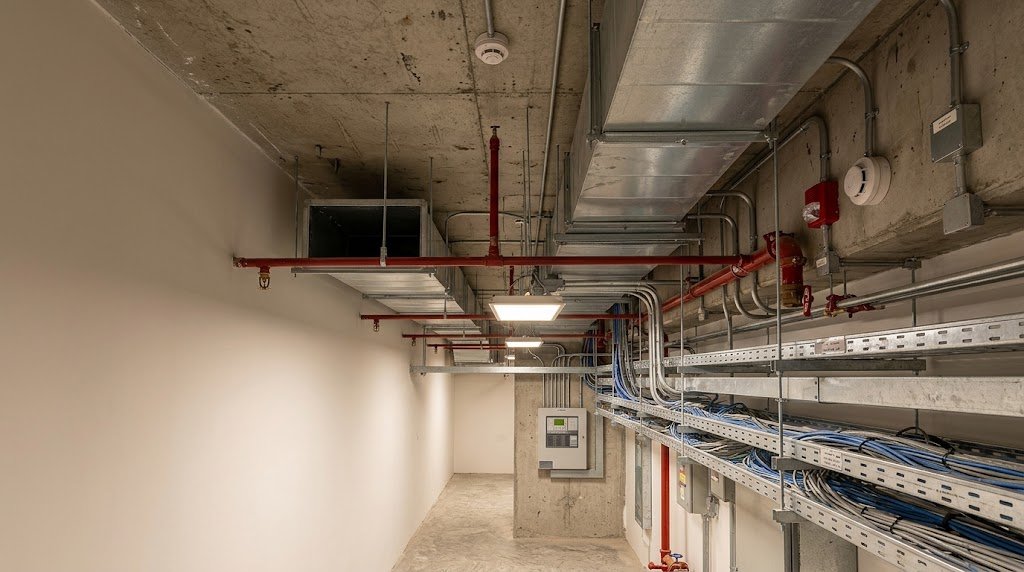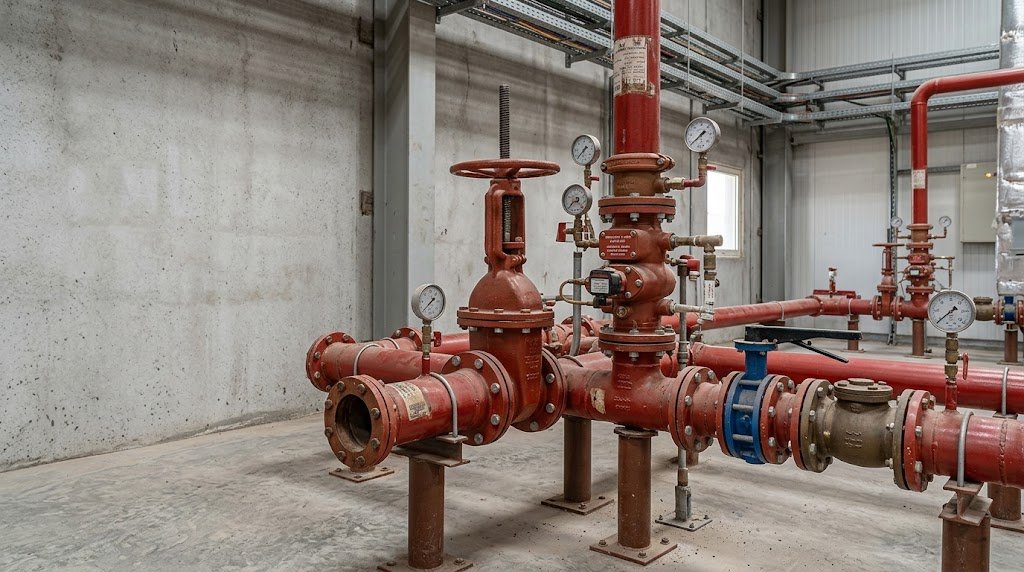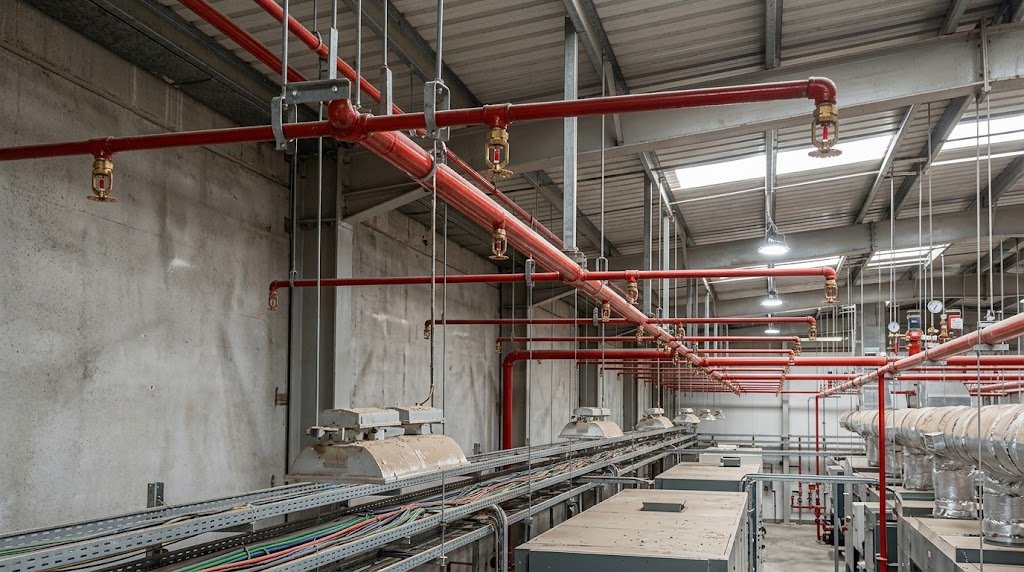
Fire alarm systems in Saudi Arabia are one of the most important safety elements in commercial, industrial, administrative, and residential projects. Choosing the right system is not only about the number of detectors or the control panel price. It depends on the site type, project size, operation needs, Civil Defense requirements, and how easy the system will be to maintain after installation. This guide explains the difference between conventional and addressable fire alarm systems, and when each option may be suitable for your project.
- 01 - Why fire alarm system selection matters
- 02 - Main components of a fire alarm system
- 03 - What is a conventional fire alarm system?
- 04 - What is an addressable fire alarm system?
- 05 - Conventional vs addressable fire alarm systems
- 06 - How to choose the right system for your project
- 07 - Common fire alarm brands in the market
- 08 - Common mistakes in fire alarm supply and installation
- 09 - Why maintenance matters after installation
- 10 - How Azeidk supports fire alarm projects
- 11 - Quick checklist before approving a fire alarm system
Why fire alarm system selection matters
A fire alarm system is the first warning layer inside any facility. Its role is not limited to sounding an alarm. It helps detect risk early, alert people inside the building, and send signals to connected systems such as elevators, HVAC, doors, fire suppression systems, and control panels.
In many projects, the focus is placed on buying the equipment quickly. The real problems usually appear later during installation, testing, inspection, or maintenance. For this reason, the system should be selected after studying the site properly, not only by comparing prices.
Choosing the right fire alarm system affects:
- How quickly the risk is detected inside the site
- How clearly the alarm or fault location appears
- How easy the system is to test and maintain
- Site readiness before inspection and handover
- Reduction of repeated faults or unnecessary alarms
- Integration with other building systems
Main components of a fire alarm system
Before comparing conventional and addressable systems, it is important to understand the main parts found in most fire alarm systems. The details may vary depending on the project type and selected brand, but the basic structure is usually similar.
Fire alarm control panel
The control panel is the main management point of the system. It receives signals from detectors and manual call points, displays system status, and controls alarms and connected outputs.
Smoke and heat detectors
These devices are used to detect smoke or temperature rise depending on the area. Choosing the right detector type and location has a direct impact on alarm accuracy and reducing false alarms.
Manual call points
Manual call points allow people inside the building to activate the alarm manually when they notice a fire risk. They should be installed in clear and accessible locations.
Sounders, strobes, and notification devices
These devices alert occupants when an alarm occurs. Their distribution should match the building layout, noise level, and movement of people inside the facility.
Modules and system interfaces
In some projects, the fire alarm system is connected to elevators, HVAC systems, doors, fire suppression systems, or other control panels. These interfaces need accurate installation and clear testing before handover.
What is a conventional fire alarm system?
A Conventional Fire Alarm System divides the building into zones. When an alarm occurs, the control panel shows the zone where the alarm came from, not the exact device.
For example, if an alarm occurs on the first floor, the panel may show “First Floor Zone”. The site team then needs to inspect that area to identify which detector or manual call point caused the alarm.
When is a conventional system suitable?
- Small and medium-sized projects
- Sites with simple and clear divisions
- Buildings that do not require exact device identification
- Projects that need a practical solution with suitable cost
- Some offices, small warehouses, or basic facilities depending on authority requirements
Important notes for conventional systems
- Good zone division is important for faster alarm location
- Too many devices in one zone can make troubleshooting slower
- Clear drawings and documentation are important for maintenance
- Regular zone testing helps reduce unexpected failures
What is an addressable fire alarm system?
An Addressable Fire Alarm System gives each device a specific address inside the system. When an alarm or fault occurs, the panel shows the exact device and its location instead of showing only a general zone.
This type is suitable for projects that need clearer monitoring, a larger number of devices, and faster fault or alarm location. It is commonly used in multi-floor buildings, large facilities, wide warehouses, and projects that need more integration with other systems.
When is an addressable system suitable?
- Large projects or multi-floor buildings
- Warehouses and factories with wide areas
- Malls, hotels, and large administrative buildings
- Sites that need exact device location during an alarm
- Projects that require integration with other building systems
- Facilities that need faster maintenance and clearer reporting
Important notes for addressable systems
- The system needs accurate design and installation from the beginning
- Device programming should match the drawings and site layout
- Device names and zones inside the panel should be clear for the operation team
- Maintenance teams should be able to read the system and handle faults properly
Conventional vs addressable fire alarm systems
One system is not always better than the other. The right choice depends on project size, complexity, operation needs, and budget. The main difference is simple: a conventional system identifies the zone, while an addressable system identifies the exact device.
Alarm location
A conventional system shows the general zone, while an addressable system shows the specific device and location. This makes the addressable system faster for identifying the source of the alarm or fault.
Installation cost
Conventional systems are usually more cost-effective for smaller projects. Addressable systems may cost more, but they provide better control and clearer monitoring in larger projects.
Maintenance and operation
Addressable systems help maintenance teams identify the exact device with the issue. In conventional systems, the team may need to inspect the full zone to find the source.
Future expansion
Addressable systems are usually more flexible for projects that may need future expansion, provided that the design is prepared correctly from the start.
How to choose the right system for your project
Selecting the right system starts with studying the site. It is not enough to ask about panel price or the number of detectors. The project activity, space distribution, number of floors, risk level, and authority requirements should all be reviewed.
Before approving the system, ask:
- Is the project small, large, or divided into many areas?
- Do you need to know the exact device location during an alarm?
- Is integration required with elevators, HVAC, doors, or fire suppression systems?
- Will the site need expansion in the future?
- Does the operation team need clear and easy-to-read reports?
- What are the Civil Defense and consultant requirements?
- Are spare parts and technical support available after installation?
These answers help you make a clearer decision and avoid redesign or system changes after installation begins.
Common fire alarm brands in the market
When studying fire alarm systems in Saudi Arabia, owners, contractors, and consultants may come across several system and product names used in the market, such as Context Plus, Hochiki, Apollo, Notifier, Siemens, Bosch, Edwards, and Kidde.
Seeing these names does not mean the decision should be based on brand popularity only. What matters more is whether the system fits the project, whether the required approvals are available, how easy it is to program and maintain, whether technical documents are clear, and whether the installation team has the required experience.
Common mistakes in fire alarm supply and installation
Many fire alarm issues do not appear at the purchasing stage. They usually appear during operation, inspection, or maintenance. These are some mistakes that should be avoided.
First: Choosing the system based only on price
Price matters, but it should not be the only factor. A low-cost system may create higher costs later if it is not suitable for the project or if maintenance and spare parts are unclear.
Second: Placing detectors without a real site study
Detector distribution should consider the area type, ceiling structure, ventilation, heat or smoke sources, and obstacles inside the site.
Third: Ignoring device and zone naming inside the panel
Even when the system is technically good, unclear zone or device names inside the panel can make alarms and faults harder to manage.
Fourth: Not testing integration with other systems
If the fire alarm system is connected to elevators, HVAC, doors, or fire suppression systems, this integration should be tested before handover, not only after powering the panel.
Fifth: Weak documentation after installation
Drawings, data sheets, approval certificates, test reports, and operation records help make inspection and future maintenance easier.
Why maintenance matters after installation
A fire alarm system is not something that should be installed and forgotten. Over time, faults may appear in detectors, batteries, wiring, or notification devices. Periodic maintenance helps detect these issues before they become real failures during an emergency.
Good maintenance should include:
- Checking the control panel and batteries
- Testing a sample of detectors and manual call points
- Reviewing sounders, strobes, and notification devices
- Recording faults and corrective actions
- Checking disabled devices or inactive areas
- Updating records when changes happen inside the site
How Azeidk supports fire alarm projects
Azeidk supports projects in selecting, supplying, installing, and maintaining fire alarm systems according to the site type, operation needs, and inspection requirements.
Azeidk services in this area include:
- Studying project needs before system selection
- Supplying conventional and addressable fire alarm systems based on site requirements
- Providing suitable products for commercial, industrial, and administrative projects
- Supporting installation, testing, and commissioning works
- Preparing required technical documents
- Providing maintenance contracts for fire alarm, fire protection, and safety systems
- Following up site readiness before inspection or handover
The goal is to have a fire alarm system that is clear, practical, easy to operate, easy to maintain, and suitable for the project from the beginning.
Quick checklist before approving a fire alarm system
Use this checklist before approving a fire alarm system or signing a supply and installation offer:
- The project type, area, and activity have been clearly reviewed
- The suitable system type has been selected: conventional or addressable
- Civil Defense and consultant requirements have been reviewed
- Detector and manual call point distribution is clear and suitable for the site
- Zone or device naming inside the panel is clear for the operation team
- Integration with elevators, HVAC, doors, or other systems is defined and tested
- Data sheets and approval certificates are available
- Testing and commissioning plan is clear before handover
- Maintenance, spare parts, and technical support after installation are clear
- Drawings and records are ready for inspection and future maintenance