Civil Defense fire safety approval in Saudi Arabia is not only about installing fire systems inside a building. Before inspection, the site should be ready in terms of fire alarm systems, fire fighting equipment, emergency access, technical documents, maintenance records, and clear coordination between the owner, contractor, consultant, and safety team. This guide explains what project owners and contractors should review before Civil Defense inspection to reduce delays, avoid repeated comments, and keep the site ready for operation.
- 01 - Why Civil Defense readiness matters before inspection
- 02 - Fire systems that should be ready before inspection
- 03 - Technical documents and records to prepare
- 04 - Site readiness beyond equipment installation
- 05 - Why maintenance records matter
- 06 - Common comments that delay approval
- 07 - Names you may see while searching for fire safety support
- 08 - How Azeidk supports Civil Defense readiness
- 09 - Final checklist before Civil Defense inspection
Why Civil Defense readiness matters before inspection
Many projects reach the inspection stage with fire systems installed, but not fully ready. The issue is often not the absence of equipment. It is usually related to incomplete testing, missing records, unclear system labels, closed valves, disabled devices, or documents that are not ready when requested.
Civil Defense readiness should start before the inspection date. The project team should review the site as one complete fire and safety setup, not as separate items installed by different teams.
Good preparation helps the project team:
- Reduce repeated inspection comments
- Confirm that fire alarm and fire fighting systems are working
- Prepare technical documents before they are requested
- Identify faults before the inspection visit
- Coordinate between the owner, contractor, consultant, and maintenance team
- Improve site readiness for operation after approval
Fire systems that should be ready before inspection
Before Civil Defense inspection, the project team should review the main fire and safety systems installed inside the site. The exact requirements may differ depending on the building type, activity, area, and authority comments, but the following systems are commonly reviewed in many projects.
Fire alarm system
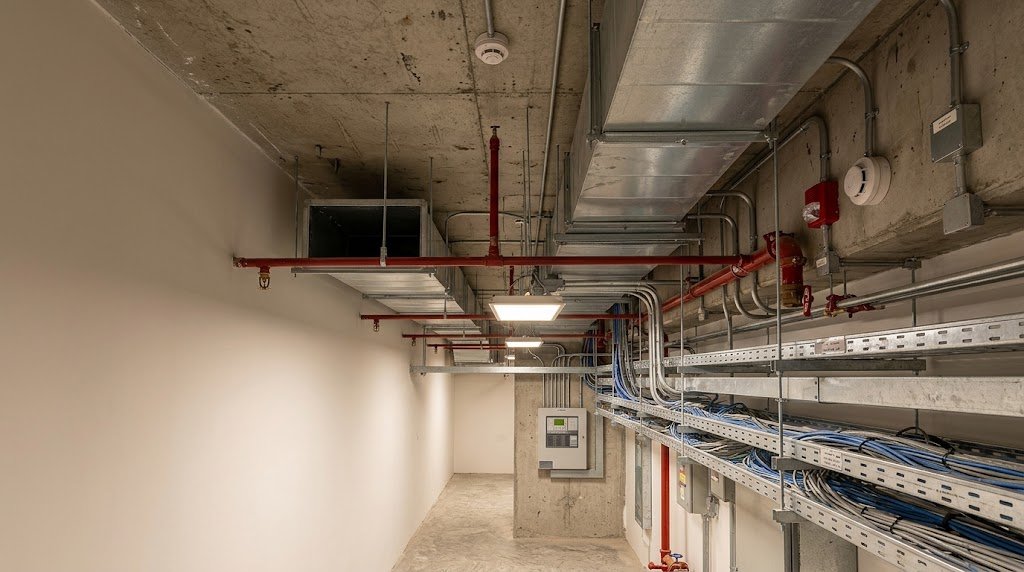
The fire alarm control panel, detectors, manual call points, sounders, strobes, modules, and interfaces should be tested. The panel should not show ignored faults, disabled zones, unclear device names, or battery issues.
Fire fighting network
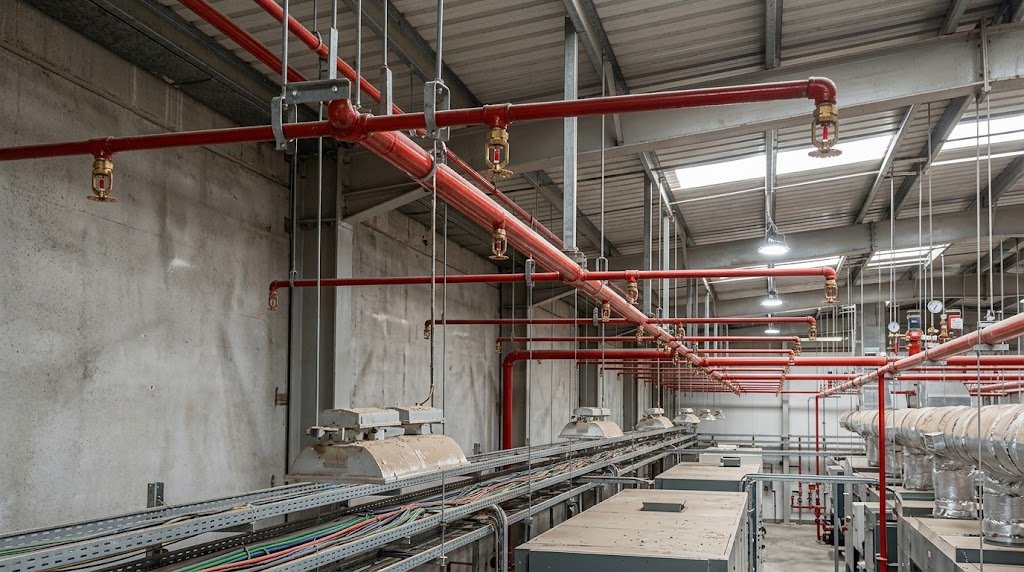
Sprinklers, fire hose cabinets, valves, pipes, gauges, test points, and the general network condition should be reviewed. Valve positions should be clear, accessible, and matching the intended operating condition.
Fire pump room
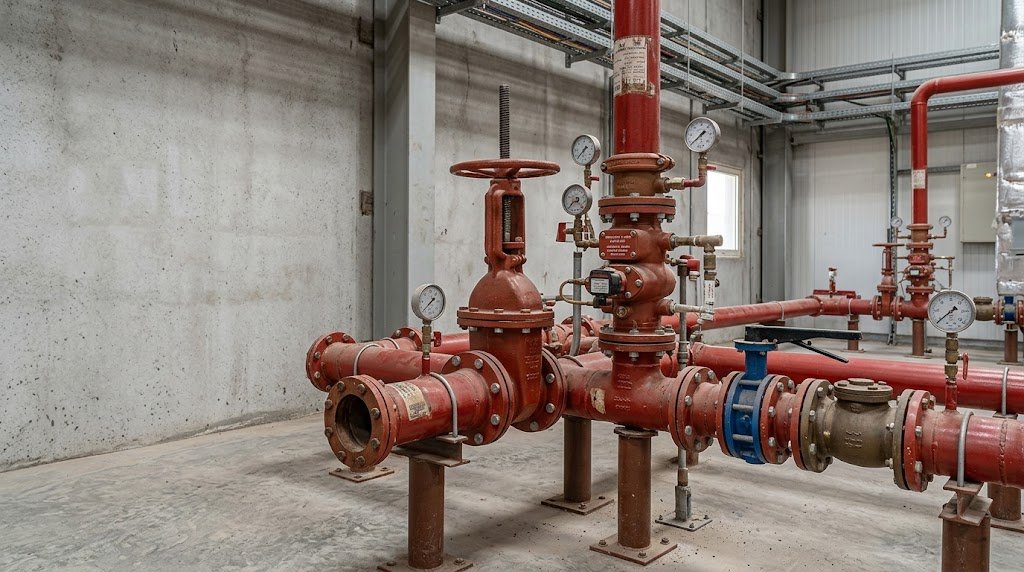
Fire pumps, jockey pump, controllers, pressure readings, suction and discharge valves, testing method, drainage, ventilation, and access should be checked before inspection.
Fire extinguishers and safety equipment
Fire extinguishers should be distributed correctly, accessible, visible, and checked for pressure, inspection date, hose condition, and general usability.
Special systems
Some projects include kitchen hood fire suppression, clean agent systems, server room protection, smoke control, emergency lighting, or other special safety systems. These systems should be tested and documented according to project requirements.
Technical documents and records to prepare
A project may have good installation work, but still face delays because documents are missing or not organized. Civil Defense inspection preparation should include both site readiness and paperwork readiness.
Documents and records that may be needed include:
- Approved drawings or latest project drawings
- Fire alarm and fire fighting system layouts
- Product data sheets
- Approval certificates when required
- Testing and commissioning reports
- Maintenance reports and visit records
- Fire pump test records if applicable
- Battery and panel status records
- List of installed equipment and main system components
- Any consultant comments and corrective action notes
The goal is to make the project easy to review. When documents are clear, the inspection process becomes easier for the owner, consultant, contractor, and technical team.
Site readiness beyond equipment installation
Civil Defense readiness is not only about having fire equipment in place. The site itself should support safe operation, access, inspection, and emergency response.
Access to equipment
Fire panels, valves, pump rooms, extinguishers, hose cabinets, and test points should be accessible. Equipment blocked by storage items, furniture, pallets, or temporary work materials may create inspection comments.
Clear labels and identification
Clear labeling helps the inspection team and site operation team understand the system quickly. This includes panel names, zones, device names, valves, pumps, and main control points.
Emergency exits and paths
Emergency exits, escape routes, signs, and lighting should be visible and not blocked. A good fire system loses value if people cannot move safely during an emergency.
Housekeeping inside technical rooms
Pump rooms, electrical rooms, fire panel areas, and service spaces should be clean and organized. Poor housekeeping can make testing and maintenance harder and may create unnecessary risks.
Why maintenance records matter
Maintenance records are important because they show that the systems are not only installed, but also followed up and checked. For existing buildings, warehouses, factories, malls, hotels, and administrative facilities, maintenance documentation can help prove that the site is being monitored regularly.
Good maintenance records should show:
- Visit date and inspected systems
- Faults found during the visit
- Corrective actions completed
- Items that still need repair or replacement
- System condition after the visit
- Recommendations for the next follow-up
Without clear reports, the site team may forget repeated faults or fail to prove that maintenance was actually done. This can create confusion before inspection.
Common comments that delay approval
Many delays happen because small items are ignored until the inspection date. A pre-inspection review can help catch these issues early.
Fire alarm panel faults
Battery faults, disabled devices, unclear zones, communication faults, or repeated alarms can affect the inspection process.
Closed or unclear valves
Main valves, zone valves, test valves, and pump room valves should be in the correct position and easy to identify.
Missing test reports
Testing may have been done, but if there is no clear record, the project team may struggle to prove system readiness.
Blocked equipment
Fire hose cabinets, extinguishers, panels, valves, or exits blocked by storage or site materials can lead to comments.
Unclear responsibility
Delays also happen when the owner, contractor, consultant, and maintenance team are not aligned on who should correct each comment.
Names you may see while searching for fire safety support
When searching for fire safety systems, Civil Defense readiness, or maintenance support in Saudi Arabia, you may come across different company and brand names in the market such as NAFFCO, SFFECO, Al-Jehani, Nokhbat Al-Etfaa, Basmat Khibra, Building Technologies, Al-Rowad, Future Mechanics, as well as system and product names such as TYCO, Victaulic, Potter, Hochiki, Apollo, Notifier, Siemens, Context Plus, AFC, and Falcon Gold.
Seeing many names in the market is normal. The important point is not the name alone, but whether the project is properly studied, the systems are installed correctly, testing is documented, and maintenance follow-up is clear before inspection.
How Azeidk supports Civil Defense readiness
Azeidk supports projects and facilities in Saudi Arabia by helping teams prepare fire and safety systems before inspection, operation, or handover. The focus is on practical site readiness, clear documentation, and technical follow-up.
Azeidk services in this area may include:
- Reviewing fire alarm and fire fighting system readiness
- Supporting fire pump room checks before inspection
- Following up maintenance notes and repeated faults
- Preparing technical reports and system status notes
- Supporting maintenance contracts for fire and safety systems
- Helping project teams review documents before inspection
- Supplying and supporting suitable fire and safety products based on project needs
The aim is to reduce last-minute surprises and keep the site easier to inspect, operate, and maintain.
Final checklist before Civil Defense inspection
Use this checklist before Civil Defense inspection or before reviewing the site with your consultant or maintenance team:
- Fire alarm panel is free from major faults
- Detectors, manual call points, sounders, and strobes are tested
- Fire pump room readings and valve positions are reviewed
- Sprinklers, hose cabinets, and extinguishers are accessible
- Main valves are open, labeled, and easy to reach
- Emergency exits and escape routes are not blocked
- Technical documents and data sheets are prepared
- Testing and commissioning records are available
- Maintenance reports and corrective actions are documented
- Consultant comments are reviewed before the inspection date
- Responsibilities are clear between owner, contractor, consultant, and maintenance team
- The site is clean, organized, and ready for system testing