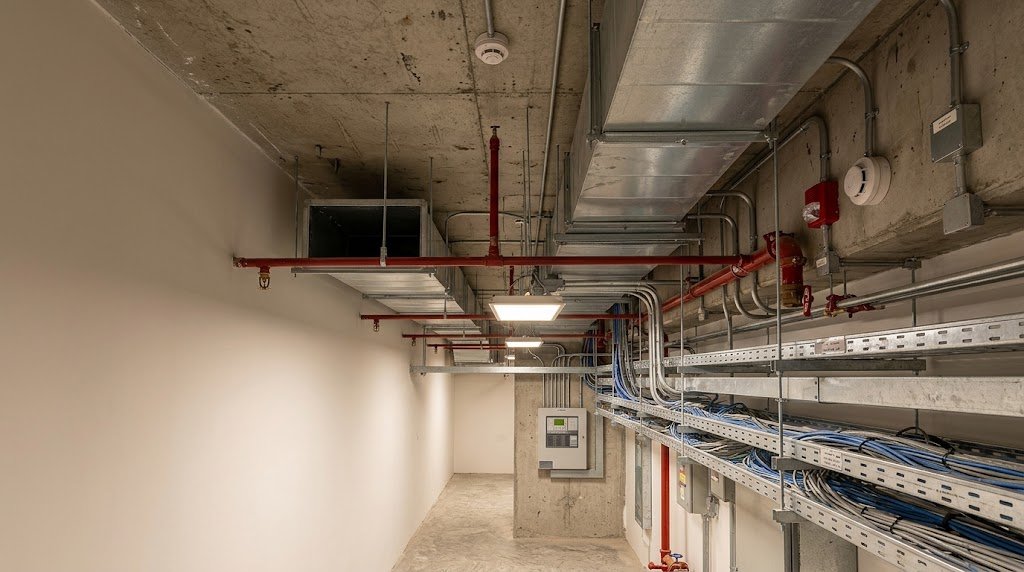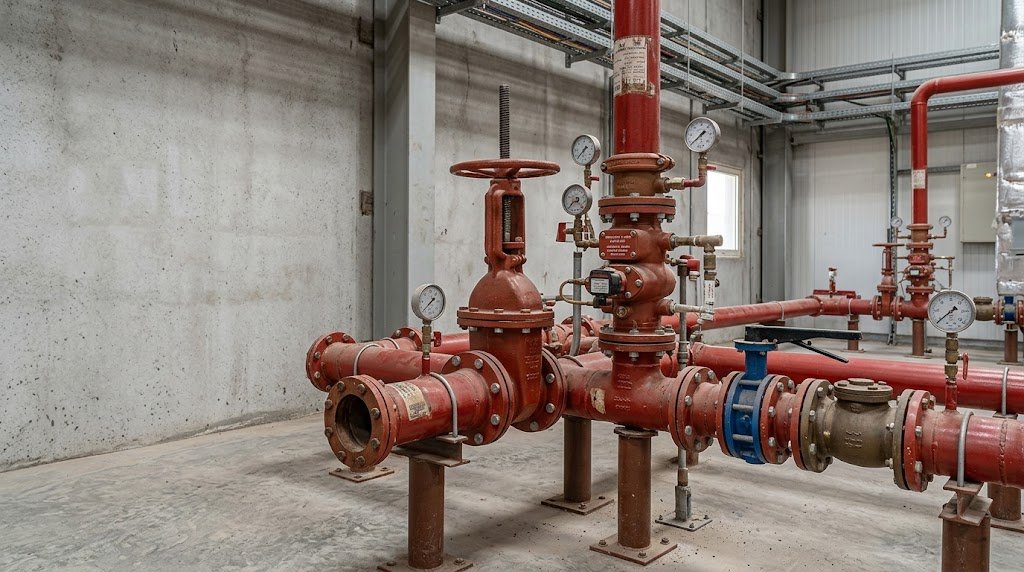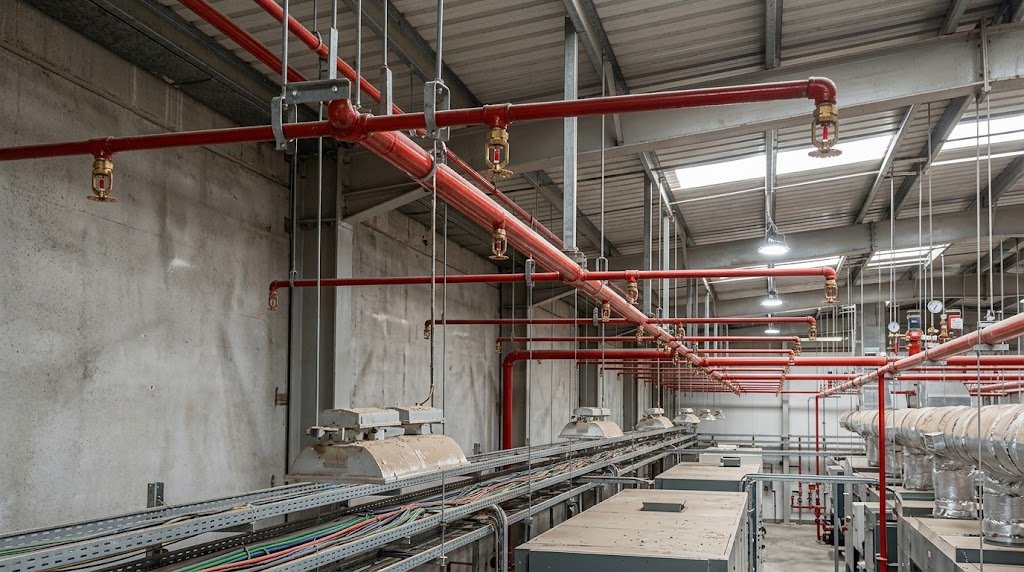
Choosing the right fire fighting system does not start with purchasing equipment only. It starts with understanding the project type, risk level, Civil Defense requirements, technical approvals, and the maintenance plan after installation. This guide helps project owners, contractors, and facility teams make a clearer decision before supply and installation, whether the project is a warehouse, factory, residential tower, commercial facility, or administrative building.
- 01 - Why one fire fighting system does not fit every project
- 02 - Main components of fire fighting and safety systems
- 03 - How project type affects system selection
- 04 - Technical approvals to review before supply and installation
- 05 - Common brands and systems in the fire and safety market
- 06 - Common mistakes when choosing a fire fighting system
- 07 - Why maintenance should be considered before installation
- 08 - How Azeidk helps you choose the right system
- 09 - Quick checklist before approving the system
Why one fire fighting system does not fit every project
One common mistake at the beginning of a project is treating fire systems as one standard solution that can be copied from one building to another. In reality, every project has a different activity, layout, risk level, operating model, and inspection requirements.
A fire fighting system suitable for a food storage warehouse may not be suitable for a factory. A system used for an electrical room or server room may not be right for a loading area, commercial showroom, or production facility.
Before choosing the system, several points should be reviewed:
- The activity inside the site
- The building area, height, and internal divisions
- The type of materials stored or used inside the project
- The number of people and daily operation flow
- Civil Defense and local authority requirements
- Maintenance and spare parts availability after installation
The right decision should not be based only on price or brand name. It should be based on how well the full system matches the project needs from design to installation, testing, operation, and maintenance.
Main components of fire fighting and safety systems
When discussing a fire fighting system, the full safety setup should be reviewed, not only one piece of equipment. A good system usually includes several parts working together for early detection, alarm notification, fire control, and emergency response.
First: Fire alarm systems
Fire alarm systems include control panels, smoke detectors, heat detectors, manual call points, sounders, strobes, modules, and interfaces with other building systems.
The purpose of a fire alarm system is to detect risk early, alert people inside the site, and send the right signals to connected systems such as elevators, HVAC, doors, or automatic fire suppression systems.
Second: Water-based fire fighting systems
These systems include sprinkler networks, fire hose cabinets, valves, supply lines, fire pump rooms, and fire water tanks.
This type of system requires accurate design, clear pressure and flow calculations, and proper equipment selection based on the building type and approval requirements.
Third: Special fire suppression systems
Some areas are not suitable for water-based suppression, such as server rooms, sensitive electrical rooms, and certain industrial areas. In these cases, gas-based or special suppression systems may be required depending on the risk type.
Choosing this type of system requires careful technical study because design or installation mistakes may affect both people safety and equipment protection.
Fourth: CCTV, monitoring, and supporting systems
In many projects, safety is not complete without CCTV, access control, and clear coordination between security, maintenance, and operation teams.
Proper CCTV distribution helps monitor entrances, exits, service rooms, loading areas, and high-risk zones inside the site.
How project type affects system selection
Every project needs a different way of thinking. The site should be studied before deciding the system type or equipment list. The following examples show how requirements can change from one project to another.
Warehouses and storage areas
- Storage height and stored materials must be reviewed
- Sprinkler and pump selection depends on the hazard classification
- Detector placement and loading areas need special attention
- Documentation and periodic inspection are important because storage conditions may change over time
Factories and industrial areas
- Production lines, heat sources, and flammable materials must be studied
- Some areas may need special systems rather than a standard water network
- Fire alarm systems should be connected to evacuation and operation procedures
- Periodic maintenance is important because factories may be exposed to dust, vibration, and heat
Commercial and administrative buildings
- They need clear alarm systems that are easy to operate and monitor
- Detector and manual call point locations should match people movement and floor divisions
- Evacuation and voice alarm systems may be required depending on the building type
- Maintenance and inspection records should be prepared in an organized way
Server rooms and electrical rooms
- Sensitive equipment should be studied carefully instead of using a general solution
- Special suppression systems may be required depending on room size and equipment type
- System interfaces with HVAC, ventilation, and shutdown controls should be handled carefully
- Testing should follow clear procedures to avoid damage to equipment
Technical approvals to review before supply and installation
Technical approvals are not just names added to a proposal. They are part of project acceptance, equipment quality, and inspection readiness.
Some approvals and references that may appear in fire and safety projects include:
- UL for tested and listed products according to specific standards
- FM for certain fire fighting equipment and systems
- LPCB for some fire detection and alarm systems
- NFPA as an important technical reference in fire system design and installation
- Civil Defense and local authority requirements depending on city and project type
The important point is not only to write the approval name in the technical offer. The selected product should fit the required application, and certificates, data sheets, and technical documents should be available when needed for submission or inspection.
Common brands and systems in the fire and safety market
During project study, owners, contractors, or consultants may come across several product and system names used in the market, such as NAFFCO, SFFECO, TYCO, Victaulic, Potter, Hochiki, Apollo, Notifier, Siemens, Bosch, Context Plus, AFC, and Falcon Gold.
Seeing these names does not mean the decision should be based on brand popularity only. The right decision depends on product suitability, required approvals, available documentation, maintenance access, spare parts availability, and the experience of the installation and commissioning team.
In some projects, a product may be strong but not suitable for the actual site. In other projects, the system may be technically suitable, but installation or maintenance practices may not be enough. This is why the full system should be reviewed as one connected setup: product, design, installation, testing, and maintenance after operation.
Common mistakes when choosing a fire fighting system
Many fire system problems do not appear on the installation day. They usually appear later during inspection, operation, or after repeated faults. Avoiding the following mistakes can help reduce delays and extra costs.
First: Choosing the system based only on the lowest price
Price matters, but it should not be the only factor. The lowest price may work in some cases, but it can become a problem if the equipment is not suitable, documents are missing, or maintenance responsibilities are unclear.
Second: Ignoring maintenance requirements after installation
A system without a clear maintenance plan may become difficult to manage after handover. You should know who will handle faults, how periodic inspection will be done, and which spare parts are available.
Third: Not checking system suitability for the project type
Using the same solution across different projects without a real site study may lead to weak coverage, pressure and flow problems, or repeated faults in detection and alarm systems.
Fourth: Relying on incomplete documents
During inspection or handover, the consultant or authority may request data sheets, approval certificates, shop drawings, test reports, and operation records. Missing documents may delay approval even when the installation quality is acceptable.
Fifth: Not testing the system as one connected setup
The success of each component alone does not mean the full system is ready. Fire alarm, suppression, pumps, valves, signals, and system interfaces should be tested through a clear operating scenario.
Why maintenance should be considered before installation
Maintenance is not a separate stage that begins only after the project is completed. It should be considered from the first design and equipment selection decisions. A system that is difficult to access or hard to support with spare parts may cause repeated issues later.
Before approving any system, ask about:
- Ease of inspecting devices and equipment after installation
- Availability of key spare parts
- Clear access to valves, panels, and gauges
- Ability to test the system without major disruption to the site
- Clear maintenance records and periodic reports
- Response time when faults or repeated alarms occur
When maintenance is considered early, the system becomes easier to operate, faster to inspect, and less likely to create problems during inspection or emergency conditions.
How Azeidk helps you choose the right system
Azeidk supports projects through a complete view that includes requirement study, supply, installation, testing and commissioning, then maintenance and follow-up after handover.
The goal is not only to install equipment, but to prepare a fire and safety system that matches the project type and can be inspected, operated, and maintained clearly.
Azeidk services in this area include:
- Studying project needs before system selection
- Providing fire alarm, fire fighting, and safety system solutions
- Supplying suitable equipment and products according to project requirements
- Carrying out installation, testing, and commissioning works
- Supporting technical document preparation
- Periodic maintenance contracts for fire and safety systems
- Following up site readiness before inspection or handover
The right selection begins with understanding the site, not only reading a price list. A technical team that can read the project needs from the beginning can help reduce mistakes, support smoother handover, and improve system readiness over time.
Quick checklist before approving the system
Use this checklist before approving a fire fighting system or signing a supply and installation offer:
- The project type and risk level are clearly defined
- Civil Defense and local authority requirements are reviewed
- Proposed products match the site needs and are not a general selection only
- Technical approvals and documents are available and clear
- Maintenance access after installation has been reviewed
- Testing and commissioning plan is clear before handover
- Valves, pumps, panels, and detectors can be inspected periodically
- Maintenance and follow-up responsibilities are defined after operation
- Drawings, data sheets, and product certificates are prepared
- The full system is reviewed as one setup, not as separate equipment only