CCTV and Access Control Systems are no longer optional additions for modern buildings. They are essential security solutions that help facilities monitor movement, protect assets, control entry, and improve safety across offices, factories, warehouses, hotels, schools, hospitals, residential buildings, and commercial facilities.
A well-designed security system is not only about installing cameras or adding a card reader beside a door. The real value comes from choosing the right devices, placing them in the right locations, connecting them properly, setting clear access rules, and maintaining the system after installation. Through its low current and security solutions, Azeidk supports projects that need practical CCTV, access control, video intercom, and building security systems suitable for real site requirements.
- 01 - What are CCTV and Access Control Systems?
- 02 - Why modern facilities need them
- 03 - CCTV system components
- 04 - Access control system components
- 05 - Applications by facility type
- 06 - Integration between CCTV and access control
- 07 - Common mistakes in security system projects
- 08 - Maintenance and system readiness
- 09 - Azeidk’s role in security and low current projects
- 10 - Checklist before approving the system
What are CCTV and Access Control Systems?
CCTV systems are designed to help facilities monitor important areas through cameras, recording devices, network equipment, and viewing platforms. They support security teams by providing visual coverage of entrances, corridors, warehouses, parking areas, reception areas, production zones, and sensitive locations.
Access control systems are designed to control who can enter specific areas. Instead of keeping every door open or relying only on mechanical keys, access control allows a facility to manage entry through cards, PIN codes, fingerprint devices, face recognition devices, mobile credentials, or controlled entry points depending on the project requirements.
Security is not only cameras
A strong security setup is usually a combination of monitoring, controlled access, clear policies, proper device placement, recording, user management, and regular maintenance. A camera can help you see what happened, while access control helps decide who should enter and when.
Why modern facilities need them
Modern facilities deal with daily movement of employees, visitors, suppliers, contractors, vehicles, stock, equipment, and sensitive information. Without a proper security system, it becomes harder to understand what is happening inside the site, who entered restricted areas, and how incidents should be reviewed.
CCTV and Access Control Systems help reduce security gaps by improving visibility, controlling entry, supporting investigation, and giving management better control over daily operation. They are especially important in facilities with multiple entrances, high-value assets, sensitive rooms, visitor movement, or operational areas that require monitoring.
Main benefits
- Monitoring entrances, exits, corridors, and critical areas.
- Controlling access to restricted rooms and operational zones.
- Supporting incident review through recorded footage.
- Reducing dependence on traditional keys.
- Improving visitor and employee movement control.
- Supporting safety and security procedures inside the facility.
- Helping management understand site activity more clearly.
CCTV system components
A CCTV system is not only a camera installed on a wall or ceiling. It includes several components that must work together to provide useful monitoring and recording. The exact setup depends on the facility type, required coverage, lighting conditions, storage period, network design, and monitoring needs.
Main CCTV components
- Indoor and outdoor cameras
- Dome cameras, bullet cameras, turret cameras, or PTZ cameras according to location
- NVR or DVR recording units depending on system type
- Hard drives and storage capacity planning
- Network switches and cabling
- Monitoring screens or control room setup
- Remote viewing configuration when required
- Power supply or PoE infrastructure
- Camera mounting accessories and protection boxes when needed
Choosing the right camera depends on the purpose. A camera for a reception area is different from a camera for a warehouse loading bay, parking entrance, factory line, school corridor, or outdoor gate. The goal should be clear before selecting the camera type.
Access control system components
Access control systems help manage entry to doors, gates, turnstiles, offices, server rooms, warehouses, staff areas, and restricted zones. The system can be simple for a small office, or more advanced for a large facility with multiple doors and user groups.
Main access control components
- Card readers or keypad readers
- Fingerprint or biometric devices when required
- Access control panels
- Magnetic locks or electric strikes
- Exit buttons and emergency release devices
- Door contacts and status sensors
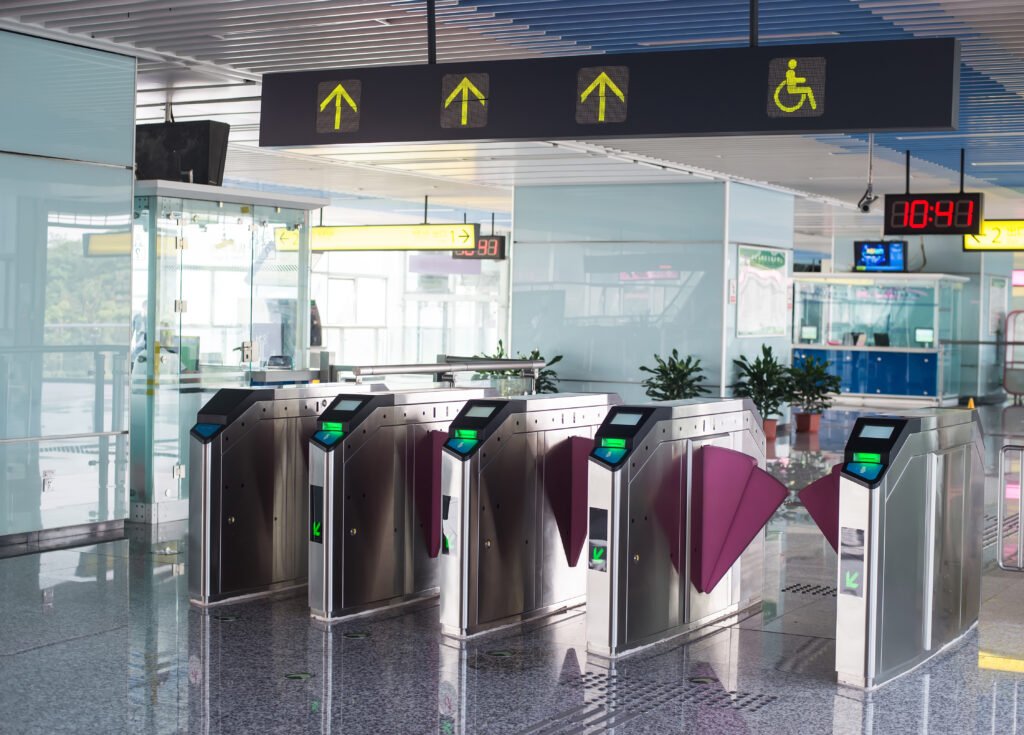
- Turnstiles or controlled entry lanes when needed
- Access control software and user management
- Power supply and backup power planning
Good access control is not only about locking doors. It is about creating clear access levels, defining who can enter each area, managing working hours, reviewing entry logs, and making sure emergency exit requirements are not compromised.
Applications by facility type
CCTV and Access Control Systems are used differently from one facility to another. A warehouse does not have the same security needs as a hotel, school, hospital, office, or residential building. The system should be designed around the actual movement, risk points, and operation requirements of each site.
Offices and corporate buildings
Offices need monitoring for entrances, reception areas, meeting zones, corridors, parking areas, and sensitive rooms. Access control can help separate public areas from staff-only areas and protect management offices, IT rooms, and document storage areas.
Factories and warehouses
Factories and warehouses need stronger focus on gates, loading areas, storage zones, production lines, vehicle movement, and high-value stock. CCTV helps monitor activity, while access control limits entry to operational and restricted areas.
Hotels and hospitality facilities
Hotels need balanced security that protects guests without making the environment feel uncomfortable. CCTV can support monitoring of entrances, lobbies, service corridors, parking areas, and back-of-house zones. Access control can help manage staff areas, service rooms, and restricted sections.
Schools and educational buildings
Schools need control over main entrances, administration areas, corridors, gates, and staff-only spaces. Access control can help reduce unauthorized movement, while CCTV supports supervision and incident review when needed.
Hospitals and medical facilities
Hospitals include public areas, patient zones, pharmacies, laboratories, medical storage, staff areas, and service rooms. CCTV and access control can support safer movement control and help protect sensitive departments.
Residential buildings and compounds
Residential facilities usually need monitoring for entrances, parking areas, elevators, lobbies, gates, and shared spaces. Access control can help manage entry for residents, visitors, and service providers.
Integration between CCTV and access control
CCTV and access control become more useful when they are designed to support each other. For example, an access control event can be linked with video footage so the facility team can review who entered a door and what happened at that moment.
Examples of useful integration
- Linking camera views with controlled doors.
- Reviewing video footage when an access event occurs.
- Monitoring entrances, turnstiles, and gates from a control room.
- Supporting visitor management at reception areas.
- Connecting selected security events to alerts or monitoring screens.
- Using CCTV coverage to support access control decisions in sensitive areas.
Integration should be planned carefully. The goal is not to make the system complicated, but to make security information easier to understand and use when needed.
Common mistakes in security system projects
Many security system problems happen because the project starts with products before understanding the site. Choosing cameras or access devices without a coverage plan, network plan, or access policy can lead to weak results.
- Installing cameras without defining what each camera should cover.
- Using the same camera type for all areas regardless of lighting or distance.
- Ignoring blind spots at entrances, corners, loading areas, and parking zones.
- Choosing storage capacity without considering recording duration and camera quality.
- Installing access control without clear user levels or access schedules.
- Forgetting emergency exit requirements when adding locks.
- Weak cabling or network design causing connection problems.
- Not protecting outdoor devices from weather and site conditions.
- Neglecting maintenance after installation.
Important security point
More cameras do not always mean better security. A smaller number of well-placed cameras can be more useful than many cameras installed without a clear coverage plan. The same applies to access control: the system must match the actual movement inside the facility.
Maintenance and system readiness
Security systems need regular maintenance to stay reliable. Cameras may lose clarity because of dust, angle changes, lighting issues, network problems, storage errors, or physical damage. Access control devices may also face issues with readers, locks, power supply, user permissions, or door alignment.
Main maintenance points
- Checking camera image quality and viewing angles.
- Cleaning camera lenses and housings when needed.
- Reviewing recording status and storage capacity.
- Testing remote viewing and control room monitoring.
- Checking access readers, locks, exit buttons, and door contacts.
- Reviewing user permissions and removing inactive users.
- Testing backup power for critical access points.
- Updating maintenance reports and system documentation.
A security system that is not maintained can look complete but fail when it is needed. Regular inspection helps keep the system ready and reduces unexpected downtime.
Azeidk’s role in security and low current projects
Azeidk supports security and low current projects by helping clients understand their site needs, select suitable CCTV and Access Control Systems, and implement solutions that match the actual facility layout. This includes cameras, recording systems, access control devices, video intercom, intrusion alarm, cabling, configuration, testing, and maintenance according to project requirements.
Azeidk works with well-known security and low current product categories, including solutions such as Hikvision, ZKTeco, EZVIZ, and other systems depending on project needs, availability, and required specifications. The goal is not only to supply devices, but to support a security setup that works clearly in daily operation.
How Azeidk supports clients
- Studying building entrances, restricted areas, and monitoring points.
- Helping select suitable CCTV and access control solutions.
- Planning camera coverage and access points.
- Supporting installation, cabling, configuration, and testing.
- Providing systems for offices, factories, schools, hotels, warehouses, and residential buildings.
- Supporting maintenance and troubleshooting after installation.
- Helping clients avoid random device selection and weak coverage.
Checklist before approving the system
- The facility type and security needs have been reviewed.
- Camera locations have been selected based on coverage, not decoration.
- Entrances, exits, parking areas, storage zones, and sensitive rooms have been considered.
- Access levels and user groups have been defined.
- Emergency exit requirements have been reviewed before installing locks.
- Storage capacity and recording duration have been calculated.
- Network, cabling, and power requirements have been reviewed.
- Outdoor devices have been selected according to site conditions.
- Testing and handover requirements have been agreed.
- A maintenance plan has been defined after installation.
In the end, CCTV and Access Control Systems are not only security devices. They are practical tools that help facilities monitor movement, protect assets, organize entry, and respond more clearly to daily security challenges. With Azeidk, clients can approach security as a complete solution that starts with site understanding and continues through supply, installation, testing, and maintenance.